
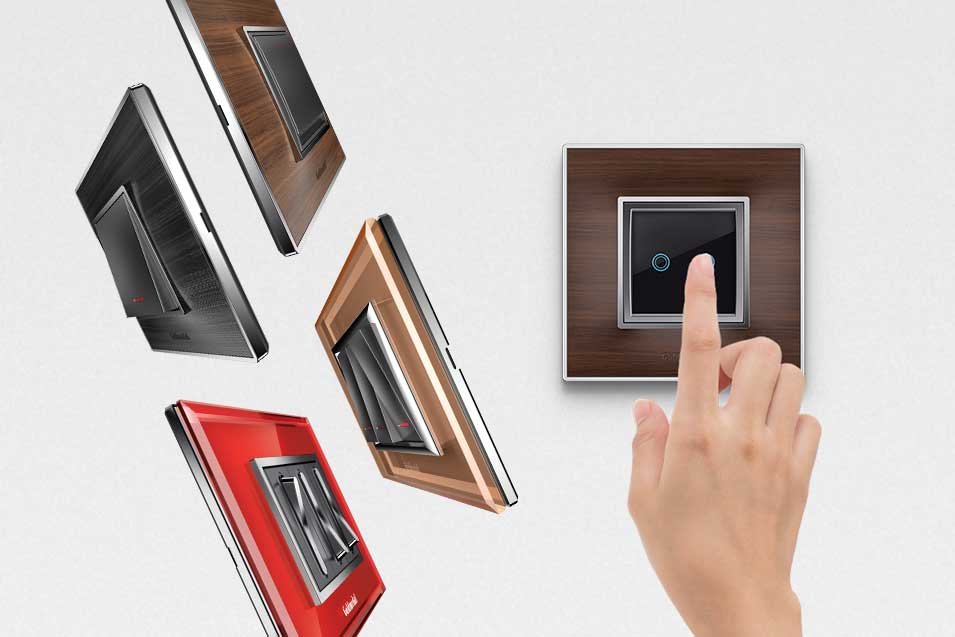
How to Choose the Right Switches and Sockets for Your Home
Switches and sockets are some of the most frequently used electrical products in any home. We use them every day to operate lights, fans, appliances, chargers, and other electrical equipment.
While switches and sockets may seem like simple products, choosing the right ones can make a difference to safety, convenience, durability, and the overall appearance of your home.
With so many designs, sizes, brands, and specifications available, how do you know which switches and sockets are right for your home?
Here is a practical guide to help you make the right choice.
1. Choose the Right Type of Switch
Switches are available in different types depending on their application.
One-Way Switch
A one-way switch is commonly used to control a light or other electrical appliance from a single location.
It is suitable for basic applications such as bedrooms, kitchens, and other areas where one switch controls one circuit.
Two-Way Switch
A two-way switch allows the same light or appliance to be controlled from two different locations.
For example, you can use two-way switching for a staircase, hallway, or bedroom where you want to operate a light from two different points.
Other Switch Options
Depending on your requirements, you may also come across:
- Bell switches
- Fan regulators
- Dimmer switches
- Intermediate switches
- Specialized appliance switches
The right option depends on what you want to control and how the electrical circuit is designed.
2. Select the Right Socket for Your Appliances
Not every appliance has the same power requirement.
Small electronic devices such as mobile chargers and lamps have different requirements from appliances such as refrigerators, washing machines, microwave ovens, and air conditioners.
When choosing sockets, consider:
- Appliance power rating
- Voltage requirements
- Current rating
- Plug type
- Earthing requirements
- Intended application
For higher-power appliances, the socket and circuit should be appropriately rated rather than using a standard socket simply because it fits the plug.
3. Consider Safety Features
Safety should be one of the most important factors when selecting electrical switches and sockets.
Look for products that are appropriately rated and designed for their intended application.
Depending on the location, useful safety features may include:
- Proper earthing
- Shuttered sockets
- Durable insulation
- Good-quality terminals
- Appropriate current ratings
- Protection suitable for the environment
For homes with children, child-safe or shuttered socket designs can provide an additional layer of protection.
4. Check the Material and Build Quality
Switches and sockets are used frequently, so build quality matters.
A good-quality product should have a sturdy construction and reliable internal components. The switch should operate smoothly, while the socket should hold the plug securely without feeling loose.
Before selecting a product, consider:
- Material quality
- Construction
- Terminal quality
- Switch mechanism
- Heat resistance
- Durability
Choosing a reliable electrical brand can also help ensure consistent product quality.
5. Think About the Location
Different areas of your home may require different types of switches and sockets.
Living Room
You may need switches for lights, fans, decorative lighting, televisions, chargers, and other appliances.
Bedroom
Consider convenient access to sockets near the bed for lamps, mobile chargers, laptops, and other devices.
Kitchen
The kitchen usually has several high-use appliances, so socket placement and appropriate ratings are particularly important.
Bathroom
Electrical products used near bathrooms require additional attention because moisture can increase electrical risks. Switches and sockets should be installed in suitable locations and according to applicable electrical safety requirements.
6. Plan Socket Placement Before Installation
One of the most common mistakes during home electrical work is not planning socket locations properly.
Think about where your appliances and furniture will be placed before finalizing electrical points.
For example:
- Keep charging points convenient near beds and workspaces.
- Provide appropriate points near television units.
- Plan kitchen sockets according to appliance locations.
- Consider additional sockets for future appliances.
- Avoid placing sockets where furniture will permanently block access.
Good planning can reduce the need for extension boards and unnecessary rewiring later.
7. Choose a Design That Matches Your Home
Modern switches and sockets are available in a wide range of designs, finishes, and colours.
For contemporary interiors, modular switches can provide a clean and organized appearance.
You can select designs based on:
- Wall colour
- Interior style
- Furniture
- Room design
- Personal preference
However, appearance should come after safety, specifications, and quality when making your decision.
8. Don’t Choose Only on Price
Switches and sockets are relatively small components of a home’s electrical system, but they are used constantly.
Choosing the cheapest option may not always provide the best long-term value.
Instead, consider the balance between:
Quality + Safety + Performance + Durability + Price
A reliable electrical product can provide better long-term value and reduce the chances of frequent replacement or electrical issues.
9. Choose Products from Reliable Brands
The electrical market has many options, but not all products offer the same level of quality and reliability.
When purchasing switches and sockets, look for products from established and trusted manufacturers. Check the product specifications, applicable certifications or standards, ratings, and warranty information where applicable.
Buying genuine products from a reliable electrical supplier can also help ensure that you receive the correct product for your requirements.
10. Work With a Qualified Electrician
Even the best switches and sockets need to be installed correctly.
A qualified electrician can help determine:
- Appropriate circuit ratings
- Correct wiring
- Earthing requirements
- Socket placement
- Load distribution
- Suitable protection devices
For new construction or renovation projects, it is best to plan the electrical layout before the walls and interiors are finalized.
Switches and Sockets: A Small Choice That Matters
Choosing switches and sockets is about more than selecting a design that looks good on your wall.
The right products should be safe, properly rated, durable, convenient, and suitable for their intended application.
Whether you are building a new home, renovating an existing property, or simply replacing old electrical accessories, taking the time to choose the right switches and sockets can make your electrical system more practical and reliable.
Choose Reliable Electrical Products with Disha Electricals
At Disha Electricals, we provide a wide range of genuine electrical products and accessories for residential, commercial, and project requirements.
With extensive experience in the electrical industry, we help customers find products suited to their specific requirements, whether they are homeowners, contractors, businesses, or project professionals.
Looking for reliable switches, sockets, electrical accessories, wires, cables, and other electrical products?
Get in touch with Disha Electricals for your electrical requirements.